
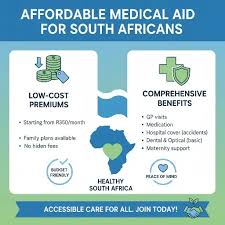
In a nation where healthcare costs continue to outpace inflation and where public healthcare facilities face well-documented challenges, securing appropriate medical coverage represents not merely a financial consideration but a fundamental component of personal wellbeing. For single individuals in South Africa—whether young professionals embarking on their careers, mid-career specialists without dependents, or seniors enjoying retirement—the quest for affordable medical aid presents unique challenges and opportunities that differ significantly from family coverage considerations. The South African private healthcare landscape, characterized by sophisticated medical schemes, complex regulatory frameworks, and varying levels of coverage, demands careful navigation to balance comprehensive protection against budgetary constraints.
The significance of this pursuit extends beyond immediate healthcare access; it encompasses long-term financial planning, protection against medical bankruptcy, and ensuring continuity of care through life’s unpredictable health challenges. Recent statistics from the Council for Medical Schemes reveal that approximately 16% of South Africans are covered by medical schemes, with a significant portion representing single members who must bear the full cost of premiums without the benefit of shared family plans. This comprehensive guide aims to demystify the process of selecting affordable medical aid for single persons, providing detailed insights into scheme options, cost-saving strategies, regulatory considerations, and long-term planning approaches specifically tailored to individuals without dependents.
Understanding the South African Medical Aid Landscape for Single Members
The framework governing medical schemes in South Africa operates under the Medical Schemes Act of 1998, which establishes critical consumer protections including open enrollment, community rating (premiums based on income rather than health status), and prescribed minimum benefits (PMBs) that all schemes must cover. For single individuals, this regulatory environment offers both advantages and complexities. The community rating principle particularly benefits younger, healthier single members who might otherwise face risk-based premiums, while the PMB requirement ensures that even the most affordable plans cover 270 life-threatening conditions and 25 chronic diseases.
Medical schemes in South Africa typically structure their offerings around several plan types, each with distinct cost implications for single members. Hospital plans represent the most basic entry point, covering only in-hospital treatment and PMBs, with premiums often starting around R1,000-R1,500 monthly for single persons. Comprehensive plans offer broader coverage including day-to-day benefits for GP visits, medication, and specialists, with premiums ranging from R2,500 to R6,000+ monthly depending on benefit levels and network restrictions. Network-based plans have emerged as a cost-effective middle ground, providing comprehensive coverage but requiring members to use designated healthcare providers, with premiums typically 20-30% lower than unrestricted comprehensive options.
The single member demographic represents a diverse spectrum within medical schemes, segmented not only by age and health status but by lifestyle preferences, risk tolerance, and career considerations. Younger singles (under 35) often prioritize affordability and basic catastrophic coverage, frequently opting for hospital plans supplemented by savings accounts for routine care. Middle-aged singles (35-55) typically seek more comprehensive coverage as health risks increase and disposable income grows, while older singles (55+) must navigate the complex interface between medical aid and retirement planning, often requiring more extensive chronic and specialist benefits. Understanding where one fits within this spectrum represents the foundational step toward identifying appropriately affordable coverage.
Critical Factors Determining Medical Aid Affordability for Singles
Income-Based Contributions: The Means-Tested Premium Structure
Unlike insurance models in many other countries, South African medical schemes typically calculate contributions based on income bands rather than fixed rates, creating a sliding scale where affordability correlates directly with earning capacity. For single individuals, this means that two people of identical age and health status might pay substantially different premiums based solely on their income levels. Most schemes establish multiple income tiers (typically 5-7 bands), with contributions calculated as a percentage of the band’s midpoint. A single person earning R15,000 monthly might pay 6-8% of income (R900-R1,200), while someone earning R50,000 might pay the same percentage on a higher band (R3,000-R4,000).
This income-based approach necessitates honest assessment of one’s financial situation when selecting a plan tier. Underestimating income to qualify for lower premiums represents a violation of scheme rules that can lead to benefit limitations or membership termination. Conversely, overestimating income places unnecessary strain on monthly budgets. Many singles find themselves in transitional income phases—recent graduates entering the workforce, professionals between positions, or freelancers with variable income—requiring careful selection of contribution bands that accommodate fluctuations while maintaining continuous coverage. Some schemes offer flexibility through mid-year contribution adjustments with proper documentation of income changes.
Age and Health Status: The Actuarial Reality of Individual Coverage
While community rating prevents medical schemes from charging higher premiums based on pre-existing conditions, age remains a legitimate factor in contribution calculations through the mechanism of late-joiner penalties. Individuals who join a medical scheme after age 35 without prior continuous coverage face penalties that increase with each subsequent year of delay, adding 5% per year to their base premiums up to a maximum of 75%. For single persons considering medical aid, this creates a powerful incentive to secure coverage earlier rather than later, as postponement significantly impacts long-term affordability.
Current health status influences affordability indirectly through benefit utilization rather than premium calculation. Healthier singles can often opt for plans with higher deductibles or medical savings accounts (MSAs) that roll over unused funds, effectively reducing their net healthcare costs over time. Those with chronic conditions or regular medication needs must weigh the potentially higher premiums of comprehensive plans against the certainty of coverage for ongoing treatments. The prevalence of lifestyle diseases among South African singles—particularly hypertension, diabetes, and stress-related conditions in urban professionals—makes this evaluation increasingly relevant. Many schemes now incorporate wellness programs that offer premium discounts or reward points for healthy behaviors, creating opportunities for health-conscious singles to reduce effective costs.
Plan Design and Benefit Structure: Balancing Coverage Levels and Costs
The architecture of medical aid benefits represents perhaps the most complex dimension of affordability for single members. Schemes utilize various mechanisms to control costs while providing necessary coverage, each with distinct implications for singles. Medical savings accounts (MSAs) represent a common feature, where a portion of contributions funds an annual account for day-to-day expenses, with unused amounts rolling over—particularly advantageous for healthier singles who utilize less routine care. However, MSAs require disciplined management, as exhaustion of funds leaves members responsible for 100% of additional day-to-day costs.
Co-payments and deductibles introduce shared responsibility for certain treatments or hospital admissions. A plan might require members to pay the first R3,000 of hospital costs annually (deductible) or contribute 20% toward specialized procedures (co-payment). For singles with predictable healthcare patterns, these features can significantly reduce premiums while maintaining catastrophic coverage. Network restrictions offer another cost-containment approach, where schemes negotiate preferential rates with designated providers in exchange for member exclusivity. Singles with flexible schedules and willingness to use specific practitioners can achieve 15-25% premium savings through network plans, though this requires accepting limitations on provider choice that might conflict with established patient-doctor relationships or geographic convenience.
Types of Affordable Medical Aid Plans for Single Persons
Hospital Plans: The Foundation of Catastrophic Coverage
Hospital plans represent the most accessible entry point into private healthcare for budget-conscious singles, providing coverage exclusively for in-hospital treatment while excluding day-to-day outpatient care. These plans typically cost between R1,000 and R2,000 monthly for single persons, making them financially viable even for entry-level professionals or those with constrained budgets. Despite their limited scope, hospital plans must by law cover all prescribed minimum benefits (PMBs), ensuring protection for 270 serious conditions including heart attacks, strokes, certain cancers, and emergency medical care, regardless of cost.
The strategic value of hospital plans for singles extends beyond mere affordability. These plans effectively address the most financially catastrophic healthcare scenarios—major accidents, surgeries, and serious illnesses—that could otherwise result in debt or compromised care in the public system. Many singles complement hospital plans with primary care through GP network subscriptions (approximately R300-R500 monthly), creating a hybrid approach that covers both routine and catastrophic needs at a combined cost often lower than basic comprehensive plans. Additionally, hospital plans frequently include casualty (emergency room) benefits and limited oncology coverage, addressing significant healthcare risks. The main limitation lies in the absence of coverage for chronic medication outside of PMB conditions, making these plans less suitable for singles with ongoing pharmaceutical needs unless supplemented with separate chronic medication insurance.
Network-Based Plans: Comprehensive Coverage Within Designated Networks
Network plans have emerged as the optimal balance between coverage breadth and affordability for many singles, offering comprehensive benefits comparable to traditional plans but requiring members to utilize designated healthcare providers. These networks—often organized around specific hospital groups (like Netcare, Mediclinic, or Life Healthcare) and associated general practitioners—negotiate preferential rates with medical schemes, resulting in premiums approximately 20-30% lower than unrestricted comprehensive options. For a single person, this typically translates to monthly savings of R500-R1,500 depending on the selected plan tier.
The practical implementation of network plans requires careful consideration of geographic and lifestyle factors. Urban singles with flexible schedules and proximity to network facilities often find these plans ideal, while those in peri-urban areas or with established relationships with non-network specialists might face accessibility challenges. Modern network plans increasingly incorporate virtual consultation options through telemedicine platforms, mitigating geographic limitations for routine care. Many schemes offer tiered network options—from restricted networks with maximum savings to broader networks with moderate savings—allowing singles to select based on their specific healthcare patterns and preferences. The critical evaluation factor involves mapping one’s actual healthcare utilization against network providers, ensuring that frequently visited practitioners and preferred hospitals participate before committing to these cost-saving arrangements.
Comprehensive Plans with Savings Accounts: Managing Day-to-Day Healthcare Costs
For singles seeking comprehensive coverage while maintaining cost control over routine care, plans incorporating medical savings accounts (MSAs) offer a sophisticated financial management tool. These plans allocate a portion of monthly contributions to a personal MSA that funds day-to-day expenses like GP visits, medication, dental check-ups, and optometry. The distinctive advantage for singles lies in the rollover provision—any unutilized MSA funds at year-end transfer to the following year, creating a personal healthcare reserve that grows with responsible utilization. This feature particularly benefits healthier singles who primarily require preventative care and occasional acute treatments.
The financial dynamics of MSA-based plans require understanding of several mechanisms. Most schemes require members to first exhaust their MSA before accessing additional day-to-day benefits (if included in the plan), creating an incentive for judicious healthcare spending. Once MSA funds are depleted, members typically transition to a self-payment phase or a limited benefits pool, depending on plan design. Some plans incorporate a “threshold” feature where, after exceeding a certain out-of-pocket amount, the scheme resumes covering day-to-day costs at 100% or a higher percentage. For singles with predictable healthcare patterns, this structure allows precise budgeting while maintaining protection against unexpectedly high routine care costs. The optimal selection involves matching the MSA amount to anticipated annual healthcare expenses, with many financial advisors recommending plans where the MSA equals or slightly exceeds expected costs based on health status and age.
Cost-Saving Strategies and Optimization Approaches for Single Members
Strategic Plan Selection Based on Healthcare Utilization Patterns
The most effective approach to medical aid affordability involves aligning plan selection with actual healthcare consumption patterns rather than hypothetical worst-case scenarios. Singles should conduct a systematic review of their healthcare utilization over the previous 2-3 years, categorizing expenses into hospital admissions, specialist consultations, chronic medication, preventative care, and dental/optical services. This data-driven analysis often reveals that many individuals—particularly younger, healthier singles—primarily utilize preventative services (annual check-ups, vaccinations) and occasional acute care, with minimal specialist or chronic care needs.
With this utilization profile established, several strategic approaches emerge. For singles with primarily preventative and minor acute care needs, a hospital plan combined with a preventative care package (often available as an add-on for R200-R400 monthly) might provide optimal coverage at 40-60% of comprehensive plan costs. Those requiring regular specialist care for specific conditions might benefit from disease management programs (DMPs) offered by many schemes, which provide coordinated care for chronic conditions often with reduced co-payments. Frequency of care matters significantly—a single requiring quarterly specialist visits might find a comprehensive plan with moderate co-payments more economical than a hospital plan with full out-of-pocket specialist fees, while someone needing only annual check-ups would benefit from the opposite approach.
Wellness Programs and Preventative Care Incentives
Increasingly, medical schemes recognize that investing in member health through wellness initiatives reduces long-term claims costs, creating opportunities for singles to reduce effective premiums through participation. Most major schemes now incorporate wellness programs—Discovery Vitality, Momentum Multiply, Bonitas Better, and Fedhealth’s Thrive being prominent examples—that reward healthy behaviors with premium discounts, cashbacks, or enhanced benefits. For single members, these programs offer particularly advantageous returns, as rewards accrue to the individual without dilution across family members.
Typical wellness program benefits for active participants include premium discounts of 10-25% (potentially saving singles R300-R1,500 monthly), increased savings account allocations, reduced co-payments for preventative screenings, and retail rewards at partners like Dis-Chem, Clicks, and sports retailers. The participation requirements typically involve regular health assessments, physical activity tracking (often through wearable devices or gym check-ins), preventative screenings, and healthy purchasing behaviors. While requiring commitment, these programs transform medical aid from a passive expense into an active health investment, with financial returns that significantly enhance affordability. Singles should carefully evaluate program requirements against their lifestyles—avid exercisers and health-conscious individuals will find greater value than those with sedentary habits or limited engagement capacity.
Tax Considerations and Medical Expense Deductions
The South African Revenue Service (SARS) provides several mechanisms through which medical aid contributions and expenses can reduce tax liability, effectively enhancing affordability for single taxpayers. Understanding these provisions allows singles to calculate their true net cost of medical coverage after tax benefits. The medical scheme fees tax credit provides a fixed monthly deduction (R364 for the 2024 tax year, increasing to R382 for taxpayers over 65) directly reducing tax payable, not merely taxable income. For singles in higher tax brackets, this translates to meaningful savings—approximately R4,368 annually for basic taxpayers, with additional credits for dependents (though less relevant for single members).
Beyond the fixed credit, additional medical expense deductions are available for out-of-pocket healthcare costs not covered by medical aid. These include expenses exceeding three times the medical scheme credit (R13,104 for 2024) or 7.5% of taxable income, whichever is lower, with the excess amount deductible from taxable income. For singles with significant out-of-pocket costs—particularly those on hospital plans or high-deductible comprehensive plans—this can provide substantial tax relief. Proper documentation through the ITR-DD form (for disability/impairment expenses) and systematic tracking of all medical expenses throughout the year maximizes these benefits. Financial advisors often recommend that singles in higher tax brackets consider slightly more comprehensive coverage, as the after-tax cost difference diminishes when accounting for both the medical credit and potential out-of-pocket deductions.
Comparing Major Medical Schemes for Single Persons in South Africa
Discovery Health: Market Leader with Extensive Options
As South Africa’s largest medical scheme administrator covering approximately 3 million lives, Discovery Health offers singles an unparalleled range of plan options but with corresponding complexity in selection. Their entry-level Coastal and Saver plans provide network-based comprehensive coverage starting around R1,800-R2,500 monthly for singles, while the KeyCare series offers essentially a hospital plan with savings account starting below R1,500. The Vitality wellness program integration represents Discovery’s distinctive advantage, with engaged members achieving premium discounts up to 25% plus extensive retail rewards.
For singles considering Discovery, several factors warrant particular attention. Their plan designs increasingly incorporate deductibles (called “Network GP Access” on some plans) that require members to pay the first several consultations annually before scheme coverage begins—advantageous for those who rarely visit doctors but potentially costly for others. The Vitality program’s tiered rewards system offers maximum value to consistently engaged participants, making it ideal for disciplined singles committed to tracking health metrics. Discovery’s extensive provider network and sophisticated digital platform provide convenience, though some members report administrative complexities and occasional claim processing delays. Their chronic medication program, including the Direct Medicine distribution service, offers particular value for singles requiring regular pharmaceuticals.
Bonitas and Momentum Health: Competitive Alternatives with Distinct Approaches
Bonitas Medical Fund has positioned itself as a value-focused alternative, offering comprehensive coverage at premiums typically 10-20% below comparable Discovery plans. Their BonCap and BonSave options provide network-based comprehensive coverage with savings accounts starting around R1,700-R2,200 for singles, while the Primary option offers essentially a hospital plan starting below R1,300. Bonitas distinguishes itself through straightforward plan designs with fewer complex tiers, making selection more approachable for singles new to medical aid. Their Bonitas Better wellness program, while less extensive than Vitality, offers achievable rewards including premium discounts up to 15% and retail benefits.
Momentum Health’s approach emphasizes integrated health management through their Multiply wellness program, which uniquely combines medical aid, savings, and insurance benefits. Their MyGap plans offer hospital coverage with customizable day-to-day benefits through Multiply rewards, effectively allowing singles to “earn” comprehensive coverage through healthy behaviors. Premiums for entry-level plans start around R1,600-R2,000 monthly, with engaged Multiply members achieving substantial discounts and cashbacks. Momentum’s CareCross network provides particularly strong regional coverage in Gauteng and Western Cape. Their approach particularly appeals to singles interested in holistic financial wellness integration, though the Multiply program’s complexity requires commitment to maximize value.
Limited Benefit and Low-Cost Options: Fedhealth, Medihelp, and Profmed
For singles seeking alternatives to the major administrators, several schemes offer competitive options worth consideration. Fedhealth’s FlexiFED series provides highly customizable plans allowing members to select specific benefit amounts across categories—ideal for singles with precise understanding of their healthcare needs. Their Thrive wellness program offers simpler engagement than Vitality but with meaningful rewards. Premiums for singles start around R1,800 for basic comprehensive coverage, with network options reducing costs further.
Medihelp has carved a niche with transparent pricing and straightforward benefits, particularly appealing to singles who prefer predictability over complex rewards programs. Their Medihelp Prime option offers comprehensive coverage starting around R2,100 for singles with relatively generous day-to-day benefits. Profmed specifically targets graduate professionals, offering comprehensive plans with premiums based on qualification levels rather than income bands—potentially advantageous for highly educated singles with moderate incomes. Their focus on professional demographics creates a risk pool that might benefit certain occupational groups.
Limited benefit schemes like Resolution Health’s Essential option offer true entry-level pricing (starting below R1,200 monthly) with basic hospital and chronic coverage, though with stricter limitations on certain treatments. These options serve singles with minimal healthcare needs and tight budgets, though members should thoroughly understand benefit caps and exclusions. The recently launched National Health Insurance (NHI) framework adds complexity, with all schemes required to offer a standard minimum package—singles should monitor how this impacts existing plan structures and pricing.
Avoiding Common Pitfalls in Medical Aid Selection for Singles
Underestimating Healthcare Needs: The False Economy of Minimal Coverage
The temptation to select the absolute lowest-cost option represents the most common and potentially costly mistake single persons make when choosing medical aid. While basic hospital plans provide essential catastrophic coverage, they create significant financial exposure for day-to-day healthcare needs that singles often underestimate. A routine specialist consultation in South Africa typically costs R800-R1,500, with follow-up tests (blood work, imaging) adding R1,000-R3,000. Dental emergencies (root canals, crowns) can reach R5,000-R10,000, while chronic medication for common conditions like hypertension or asthma typically costs R300-R800 monthly without scheme coverage.
The financial impact of underestimation compounds when considering healthcare utilization patterns over time. Younger singles might accurately predict minimal current needs but fail to account for accident risks (sports injuries, vehicle accidents) or unexpected acute conditions that require multiple specialist visits and diagnostics. The transition years between 30-45 often bring previously unexpected health issues—thyroid disorders, gastrointestinal conditions, orthopedic problems—that require sustained specialist care. A comprehensive analysis should factor in both statistical healthcare utilization by age group and personal/family medical history. Many financial advisors recommend that singles allocate 8-12% of gross income to medical aid, recognizing that under-insurance risks both health outcomes and financial stability when significant medical needs arise.
Overlooking Scheme Exclusions and Limitations: The Devil in the Details
Medical scheme brochures necessarily emphasize covered benefits, often minimizing discussion of exclusions, limitations, and administration requirements that significantly impact real-world coverage. Singles must develop proficiency in identifying and understanding these limitations across several categories. Treatment exclusions commonly include experimental procedures, cosmetic treatments, fertility treatments (often with limited exceptions), and certain alternative therapies. Benefit limitations typically manifest as annual or lifetime maximums on specific categories—dental benefits might cap at R3,000 annually, optical at R1,500, and hearing aids at R5,000 every 3-5 years.
Administrative requirements present another layer of complexity, particularly for singles accustomed to autonomous healthcare decisions. Most schemes require pre-authorization for hospital admissions (excluding emergencies), certain specialist procedures, and advanced diagnostics. Network plans impose additional restrictions on provider choice, often with financial penalties for out-of-network utilization without proper referral. Chronic medication coverage typically requires registration on disease management programs with designated formularies and preferred pharmacies. Failure to comply with these administrative requirements can result in reduced benefits or outright claim denial, transforming apparently covered services into out-of-pocket expenses. The single most valuable exercise before selecting a plan involves creating a spreadsheet mapping one’s actual and anticipated healthcare needs against each plan’s specific limitations—not merely the marketed benefits.
Neglecting Long-Term Planning: The Cumulative Cost of Short-Term Decisions
Medical aid represents a long-term financial commitment with compounding implications, yet many singles approach selection with exclusively short-term perspective. The late-joiner penalty system creates perhaps the most significant long-term consideration, adding 5% to base premiums for each year after age 35 without continuous coverage, up to 75%. Singles who opt out of medical aid in their 20s or early 30s to save money often face substantially higher costs when they eventually enroll, potentially negating years of earlier savings. Even temporary gaps in coverage (exceeding 90 days typically) can trigger these penalties, making continuity essential.
Beyond penalty avoidance, long-term planning involves anticipating healthcare needs through different life stages. A 25-year-old single might appropriately select a basic hospital plan, but should understand the transition pathway to more comprehensive coverage as needs evolve. Many schemes offer upgrade options without new underwriting, maintaining coverage for pre-existing conditions—a valuable feature lost when switching schemes later. Retirement planning introduces additional complexity, as medical aid represents one of the most significant post-retirement expenses. Singles should investigate each scheme’s pensioner options, premium structures for older members, and chronic medication coverage adequacy for age-related conditions. The intersection between medical aid and gap cover (for in-hospital specialist shortfalls) becomes increasingly important with age, as medical procedures multiply. A holistic approach considers not only current affordability but the total cost of coverage across decades, weighing premium differentials against benefit adequacy through anticipated life transitions.
Implementation and Ongoing Management Strategies
The Enrollment Process: Documentation and Timing Considerations
Successfully enrolling in affordable medical aid requires attention to administrative details that singles often overlook in their eagerness to secure coverage. The documentation requirements typically include certified copies of ID, proof of income (recent payslips or tax documents), and completed application forms with comprehensive health declarations. For singles with previous medical aid coverage, obtaining a certificate of continuity from the previous scheme prevents late-joiner penalties—this document should be requested before termination and kept indefinitely. Self-employed singles or those with variable income must provide additional documentation, often requiring averaging income over several months or using annual tax assessments.
Timing represents another critical consideration, as most schemes impose waiting periods for certain conditions or benefits. Standard waiting periods typically include a 3-month general waiting period for new members (excluding PMBs and emergencies) and up to 12-month condition-specific waiting periods for declared pre-existing conditions. Some schemes offer waiting period waivers for members transferring from other schemes with continuous coverage—valuable for singles switching between options. Enrollment timing also affects benefit availability, as most schemes operate on calendar years with benefits resetting January 1. Joining later in the year might mean receiving reduced annual benefits (pro-rated) or paying full premiums for partial benefits. The ideal enrollment period for maximum first-year value typically falls in November-December, ensuring full benefits for the coming calendar year.
Ongoing Management: Maximizing Value Throughout Membership
Once enrolled, proactive management significantly enhances the affordability and value of medical aid for singles. Regular benefit tracking prevents unexpected out-of-pocket expenses, with most schemes offering digital portals and mobile apps providing real-time benefit balances. Savvy singles establish a quarterly review routine, checking MSA balances, day-to-day benefit utilization, and hospital admission remaining limits. This practice allows mid-year adjustments—increasing physical therapy sessions before benefits expire, scheduling dental work before annual limits reset, or timing elective procedures to optimize hospital coverage.
Effective claims management represents another dimension of value optimization. Understanding the claims process—submission timelines (typically 4-6 months from service date), required documentation (detailed invoices with provider practice numbers), and electronic submission options—prevents unnecessary delays or rejections. Many singles benefit from maintaining a personal healthcare finance file with all claims documentation, correspondence with the scheme, and records of telephonic interactions (including reference numbers and representative names). This becomes particularly valuable when disputing claim decisions or navigating complex treatment authorizations. For network plan members, regular verification that providers remain in-network prevents unexpected co-payments, as provider participation status can change throughout the year.
Annual Review and Plan Reassessment: The Continuous Optimization Cycle
Medical aid needs and scheme offerings evolve annually, making systematic review essential for maintaining optimal affordability and coverage. The ideal review period occurs 6-8 weeks before the scheme’s annual benefit reset (typically December), allowing time for comparative research and enrollment processing if changes are warranted. The review should evaluate both personal factors (health status changes, anticipated procedures, medication adjustments) and scheme factors (premium increases, benefit changes, network modifications).
The comparative analysis should extend beyond one’s current scheme to include at least 2-3 competitive alternatives each year. Many financial advisors recommend a three-year cycle: Year 1 establishes baseline utilization with current scheme, Year 2 compares alternatives while accounting for actual utilization patterns, and Year 3 implements optimized selection based on two years of data. This approach prevents reactionary switching based on single-year premium increases while capturing genuine value opportunities. When comparing alternatives, singles should request detailed benefit comparisons from brokers or use the Council for Medical Schemes’ comparison tools, focusing on the specific benefit categories they actually utilize rather than theoretical comprehensive coverage. Particular attention should go to chronic medication formularies, specialist consultation rates, and hospital network adequacy for planned procedures.
Conclusion: Achieving Sustainable Healthcare Protection as a Single Person
The journey toward affordable medical aid for single persons in South Africa represents a balancing act between immediate financial constraints and long-term healthcare security. This comprehensive exploration reveals that true affordability extends beyond premium amounts to encompass benefit adequacy, utilization patterns, tax implications, and wellness incentives. The single most important realization is that medical aid represents both a financial product and a health management tool—its value derives not merely from claims payments but from access to quality care, preventative services, and financial protection against medical catastrophes.
Successful navigation of this landscape requires singles to embrace their role as informed healthcare consumers, investing time in understanding options, tracking utilization, and regularly reassessing needs against offerings. The ideal approach combines strategic plan selection based on actual healthcare patterns, active engagement with wellness programs where suitable, diligent management of benefits and claims, and systematic annual review to capture evolving value opportunities. While the initial research and selection process demands significant effort, this investment yields compounding returns through years of optimized coverage, prevented financial shocks, and maintained health.
As South Africa’s healthcare landscape continues evolving with NHI implementation, technological innovations in telemedicine, and increasing focus on preventative care, singles who establish strong foundational understanding of medical aid principles will be best positioned to adapt to changes while maintaining coverage that genuinely serves their needs. The path to affordable medical protection begins with recognizing that as a single person, you bear sole responsibility for this critical aspect of wellbeing—but through informed decision-making and proactive management, you can secure coverage that provides peace of mind without compromising financial stability or healthcare quality
